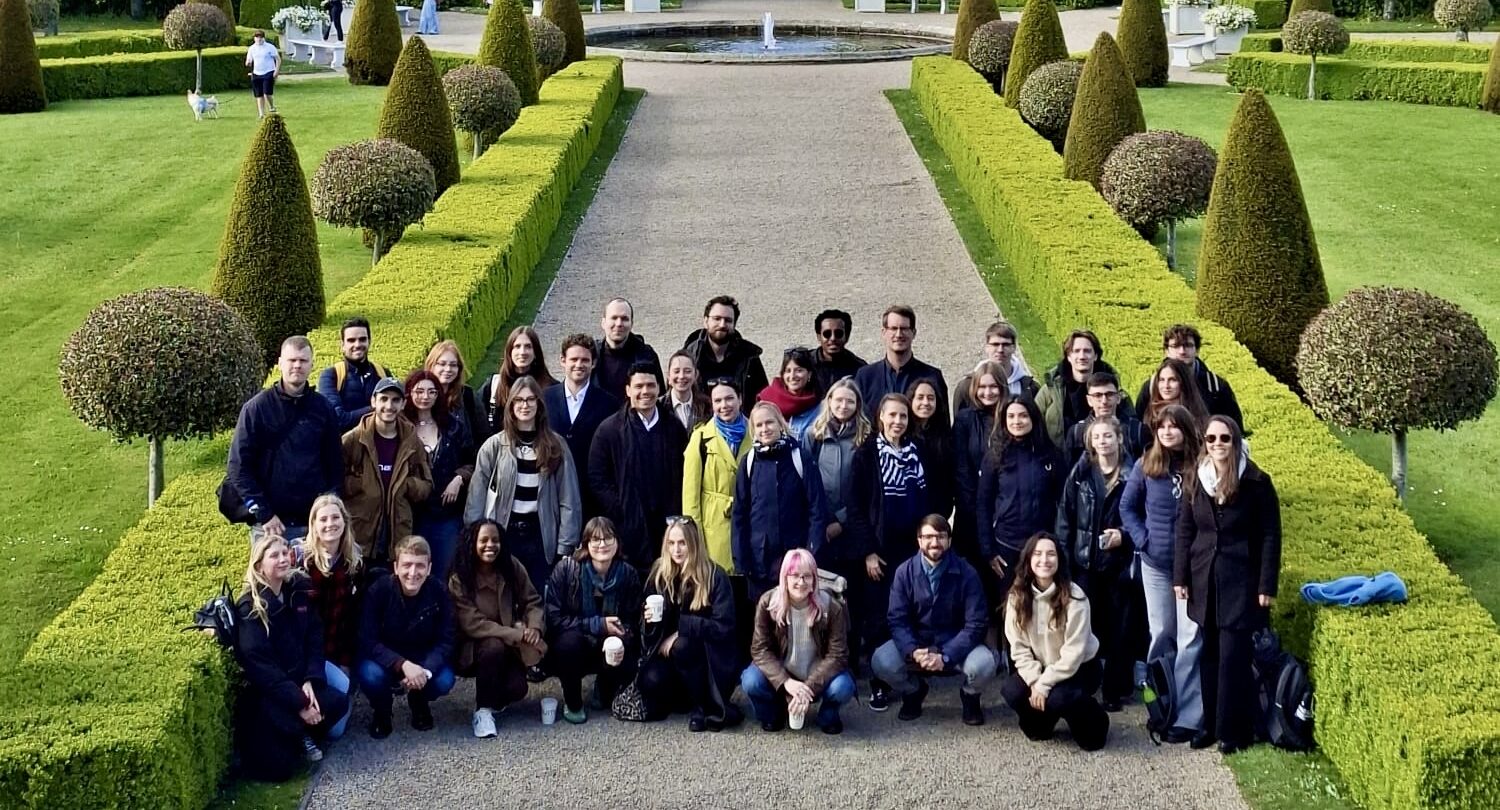
From 11 to 15 May 2026, the fourth edition of the Erasmus+ Blended Intensive Program (BIP) organized by the Digital Constitutionalism Network took place in Dublin, Ireland. Entitled “Digital Futures, Sustainable Freedoms: Rights, Responsibilities and Governance”, this international teaching program follows successful BIP editions in Padua (2023), at ZeMKI (2024), and in Salerno (2025).
Ten students of the media and communication degree programs organized by ZeMKI joined the program; PGMT members Dr. Dennis Redeker and Dr. Chiara Spiniello co-organized this year’s BIP under the leadership of Edoardo Celeste, Karolin Rippich and Victor Henriquez Diaz (all Dublin City University) – and taught on site. In total, this BIP brought together more than 30 students from six European partner universities – the University of Bremen, Dublin City University, the University of Salerno, the University of Groningen, Tallinn University, and the University of Padua. BIPs are a relatively new form of funding mechanism for joint European teaching with both in-person and online components; students receive an Erasmus+ mobility award to participate.
In this case, combining a virtual preparatory phase with a five-day in-person component in Dublin, the program offered an interdisciplinary exploration of the growing tensions and synergies between digital technologies, human rights and environmental sustainability. The in-person phase culminated in student participation in the international GIG-ARTS 2026 Conference held under the same theme, and with which it was co-located. The BIP was hosted by the DCU Law and Tech Research Cluster, the European Master in Law, Data and Artificial Intelligence (EMILDAI), and the Digital Constitutionalism Network. Chiara and Dennis both delivered a presentation as part of the conference, allowing students to gain insights into their instructors’ activities beyond the classroom.
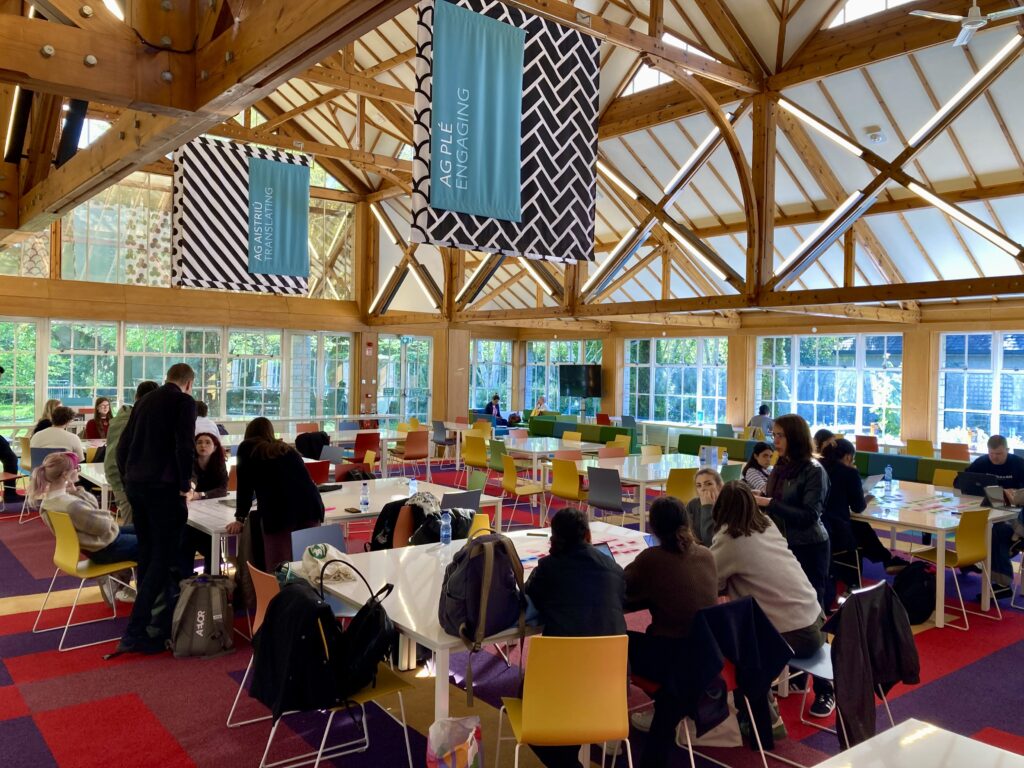
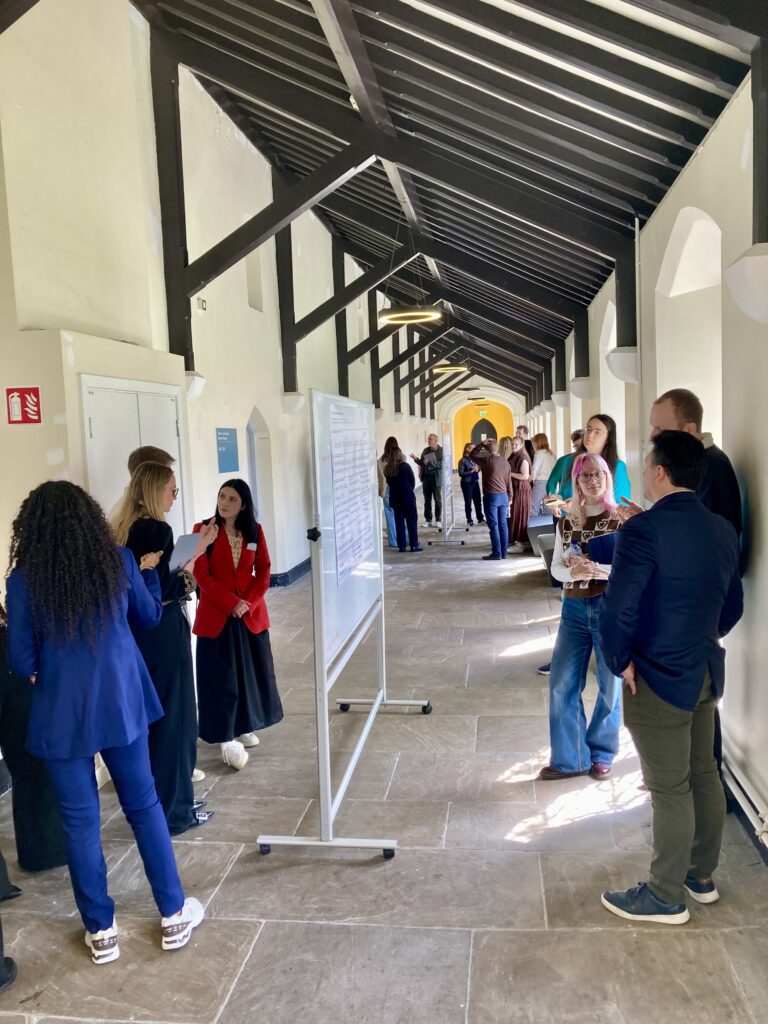
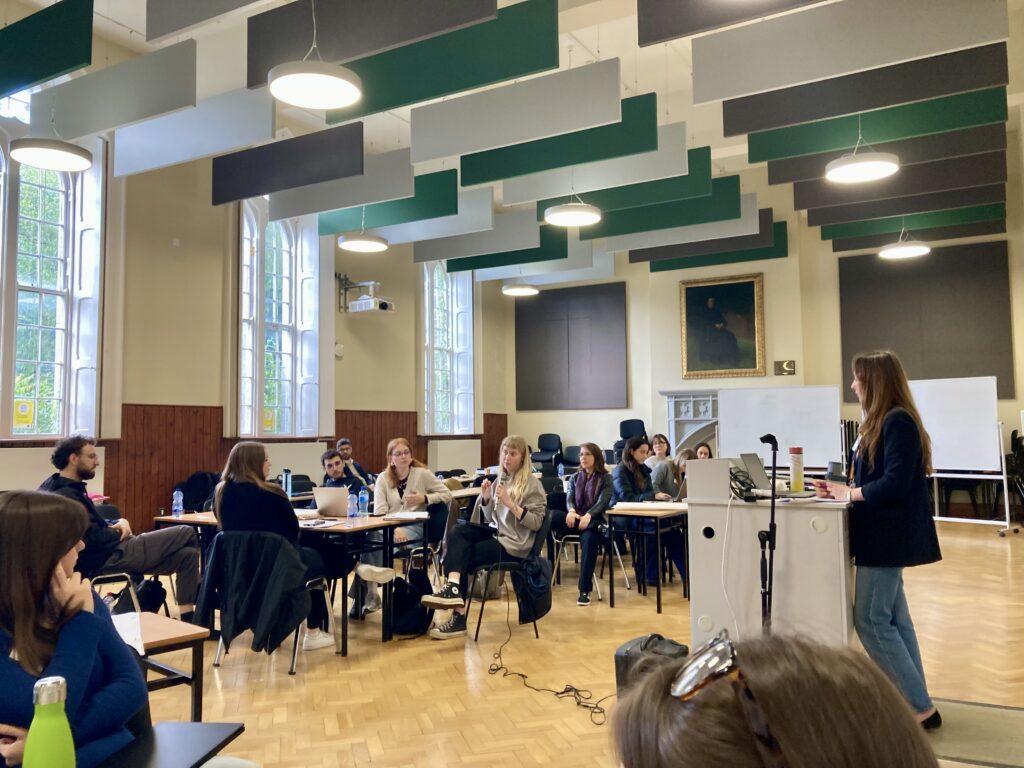
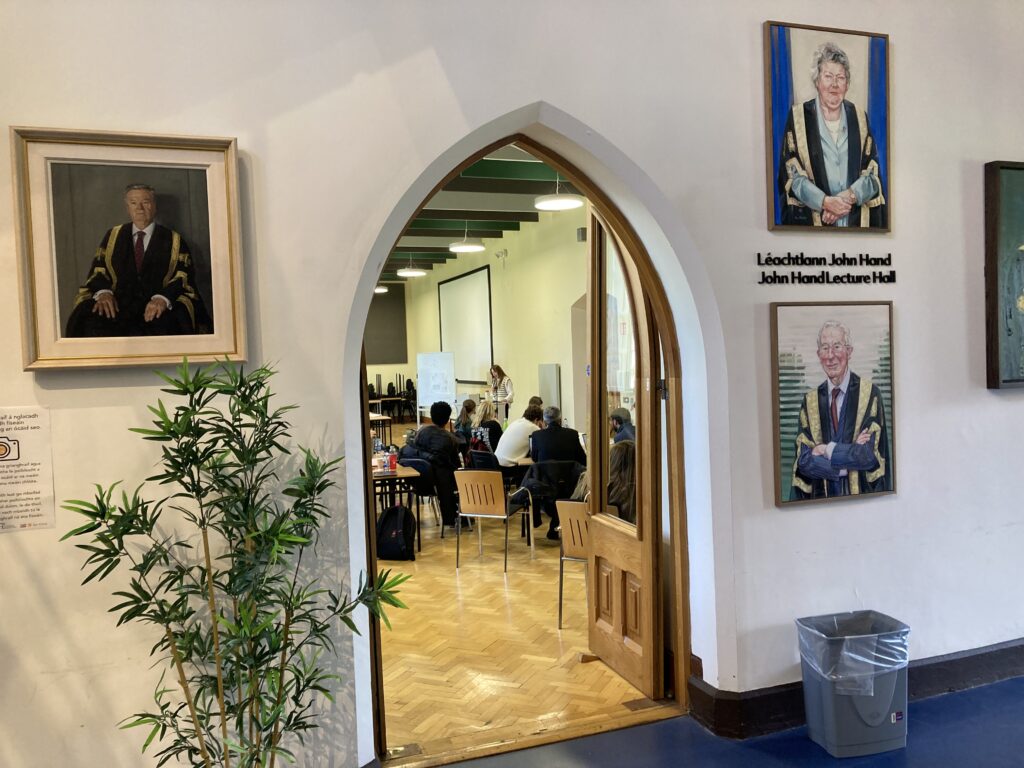
Thus, during the BIP, students engaged in the conference panels, e.g., by asking excellent questions. They also worked in small inter-university groups, producing posters and outlining policy briefs on pressing issues including the spread of climate change misinformation on social media platforms, the human costs of content moderation, European certification schemes for mobility data sharing, and the social and environmental costs and benefits of data centers in Europe – as seen from the perspective of local communities.
The highlight, apart from joint meals, breaks and social activities – including a guided visit of sustainability-focused exhibitions at the Irish Museum of Modern Art (IMMA), was the poster session, during which student groups presented their group work results to seasoned academics and even Internet policy professionals participating in GIG-ARTS conference. The final virtual phase of the program – throughout June 2026 – will be dedicated to refining these policy briefs.